Designing Your Inboxes

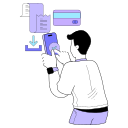
Strong systems begin where ideas first land. Design a handful of inboxes that are effortless to reach, unambiguous to use, and easy to empty. Capture should require seconds, not thought. Keep entry points few, visible, and durable, so nothing critical gets lost, and every note can flow smoothly toward clarification, prioritization, and action without friction or second-guessing.

Frictionless Capture Everywhere

Make capture possible in five seconds or less: a phone widget, a voice memo, an email to yourself, an index card. Prioritize speed and consistency over elegance. The faster you record raw material, the sooner you can process it, trust your system, and free your mind to focus on meaningful execution.

Separating Capture from Processing

Treat capture as collecting, not deciding. Avoid categorizing, estimating, or scheduling in the moment. Jot enough to recall intent later, then move on. Later, during a dedicated processing ritual, clarify outcomes, choose next actions, and route items appropriately, keeping the fast intake lane distinct from considered decision-making.

Daily Processing Ritual

Set a short, sacred window each day to empty inboxes deliberately. Start at the top, ask what outcome you want, decide the very next visible action, and route accordingly. Delete ruthlessly, incubate thoughtfully, and timebox decisions. A predictable cadence builds trust, reduces stress, and keeps lists fresh and executable.

Two-Minute Rule in Practice

If a clarified action will truly take under two minutes, do it immediately and let momentum compound. Small completions clear mental residue, reveal hidden blockers, and shrink queues. Be honest about duration, avoid rabbit holes, and celebrate closures without turning quick wins into procrastination theater.

Clarify Next Actions

Translate amorphous ideas into precise verbs, objects, and contexts. Replace “update website” with “Draft three headline options for pricing page in Notion.” Decide who, what, and where. If the first move is waiting on someone, record a waiting-for trigger, date, and reminder so progress remains observable.

Action Lists that Drive Momentum

Build lists that invite doing, not dithering. Use clear language, single-step entries, and supportive metadata. Surface a small slate each morning from your larger inventory, then work from that slate with intention. When circumstances change, reselect consciously rather than mindlessly adding more and more to an overflowing pile.

Context and Energy Tags

Label actions by tools, location, collaborators, and energy. On low-energy afternoons, filter for small, mechanical tasks; during deep-focus windows, surface cognitively heavy work. These humane constraints reduce choice paralysis, acknowledge human variability, and gently guide attention toward the right work at the right moment.

Batching Similar Tasks

Collect emails, calls, and errands into focused sprints to minimize context switching. Set a timer, silence notifications, and run a tight checklist. Batching compresses setup time, reduces cognitive residue, and builds rhythm, turning scattered obligations into efficient, satisfying bursts of measurable progress.

Weekly and Daily Horizons

Balance immediate execution with regular horizon scanning. Each week, choose outcomes that matter; each day, select the few that fit your bandwidth. When new input arrives, capture it, protect the slate, and renegotiate intentionally rather than silently sacrificing priorities to emergencies and noise.

Paper, Apps, and Hybrids

Index cards capture anywhere, notebooks encourage thinking, and apps connect seamlessly to calendars and search. Many professionals blend mediums: quick paper capture, digital processing, and cloud action lists. Experiment purposefully, then commit. Stability beats novelty when you need dependable clarity every day, especially under pressure and distraction.

Automations with Purpose

Use lightweight automations to remove clicks, not judgment. Email rules, mobile shortcuts, and templates can funnel inputs into one place and prefill common fields. Review these helpers regularly, because brittle automations quietly break. The goal is fewer decisions, faster starts, and more present, human attention.

Backups and Portability

Protect your commitments by ensuring exportability, offline access, and reliable backups. Schedule periodic test restores so you trust recovery under stress. Prefer open formats, avoid lock-in, and document key workflows. Confidence in resilience reduces hidden anxiety and encourages consistent, fearless use of your system.

Morning Intake Sweep

Before opening communication apps, spend ten focused minutes clearing yesterday’s capture bins. Skim, clarify, and route. Pair the ritual with a consistent trigger, like brewing coffee. This calm start produces traction, reveals priorities, and prevents early distractions from hijacking attention before you even choose your first deliberate move.

Midday Recalibration

Energy and demands shift by noon. Pause briefly to review the morning slate, mark wins, and adjust for surprises. If priorities changed, consciously reselect the next few actions. This compassionate check-in prevents drift, restores agency, and keeps execution aligned with reality rather than outdated intentions.

Evening Shutdown Checklist

End the day by capturing loose ends, updating action lists, and staging materials for tomorrow’s first task. Close browser tabs, reset your workspace, and write a brief note to your future self. This ritual creates closure, defuses rumination, and makes starting tomorrow refreshingly simple.

From Idea to Impact: Stories and Pitfalls

Real progress depends on humane boundaries. A freelance designer halved email anxiety by timeboxing processing; a teacher reclaimed evenings by batching calls. Beware seductive traps: endless app tweaks, collecting without deciding, and calendars flooded with wishful promises. Practical guardrails convert inspiration into reliable, valuable outcomes over months. Share your adjustments in the comments, and subscribe for practical prompts and compassionate accountability.
Zentorinopalo
Privacy Overview

This website uses cookies so that we can provide you with the best user experience possible. Cookie information is stored in your browser and performs functions such as recognising you when you return to our website and helping our team to understand which sections of the website you find most interesting and useful.